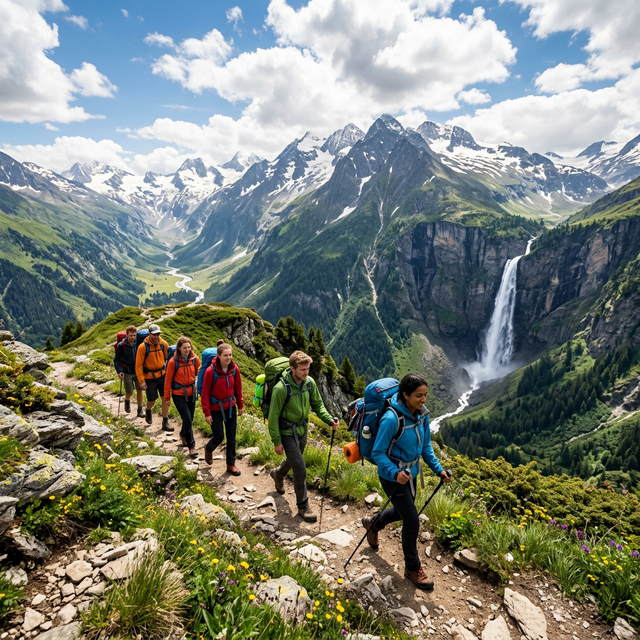
When you're standing at 15,000 feet, the margin for error disappears. High-altitude environments are beautiful, but they are also unforgiving. The thin air, extreme UV radiation, and rapid temperature fluctuations mean that your gear is your primary lifeline. Whether you're planning on trekking the Everest Base Camp or the Stok Kangri in Ladakh, having the right technical equipment is non-negotiable.
The Science of Staying Warm: Technical Fabrics
In extreme cold, sweat is your enemy. If your clothes get damp, you risk hypothermia. This is why technical fabrics are essential. Move away from traditional wool or cotton and look for Polartec fleece and Merino wool blends. These materials are designed to pull moisture away from your skin while trapping a layer of warm air near your body.
Investing in a 'Bombproof' Outer Shell
Your outermost layer must protect you from the 'Big Three': Wind, Rain, and Snow. Look for jackets with a Gore-Tex or similar breathable-waterproof membrane. Essential features include taped seams, waterproof zippers, and 'pit zips'—underarm vents that you can open when you're working hard to prevent overheating.
Choosing the Right Sleeping System
Recovery is everything in the mountains. If you don't sleep well, you won't acclimatize well. A high-altitude sleeping bag should be filled with high-quality Goose Down (look for 700+ fill power). Remember, the rating on a bag—say -10°C—is often the 'limit' rating (where you will survive), not the 'comfort' rating (where you will actually sleep). Always choose a bag rated for temperatures colder than you expect.
Secondary but Vital Items:
- High-Altitude Boots: Look for stiffer soles that can accommodate semi-automatic crampons if your route involves glacier walking.
- Insulated Water Bottles: Standard plastic bottles will freeze solid above 12,000 feet. Use insulated flasks or Nalgenes inside a thermal cover.
- Satellite Communication: In the deep Himalayas, cell service is non-existent. Devices like a Garmin inReach can be a literal lifesaver in emergencies.
Good gear represents a significant investment, but it’s an investment in your safety and your success. When the wind is howling and the temperature drops, you’ll be glad you didn’t cut corners on your equipment.